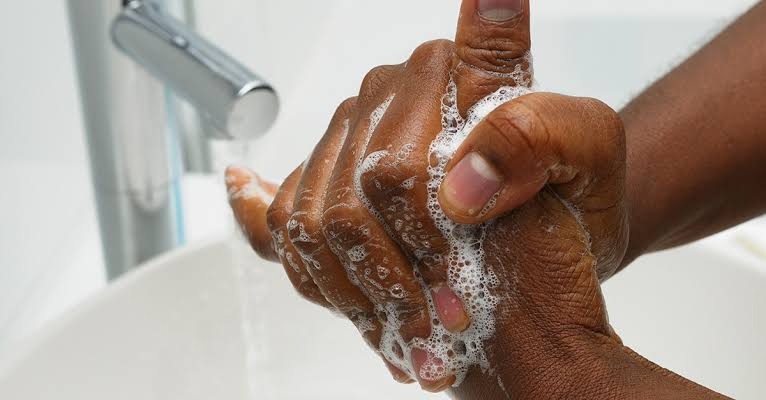
Nigeria's Call to Strengthen Hand Hygiene in Healthcare Settings Gains Momentum
In the ongoing battle against Healthcare-Associated Infections (HAIs), Nigeria is ramping up efforts to strengthen hand hygiene practices within its healthcare system. With millions of lives at stake, the World Health Organization's (WHO) latest theme for World Hand Hygiene Day 2024, "Promoting knowledge and capacity building of health and care workers through innovative and impactful training and education," strikes a chord in Nigeria's medical community.
As part of a major global effort to improve hand hygiene in health care, led by WHO to support health-care workers in commemoration of the hand hygiene day 2024, the WHO and the Infections Prevention Control (IPC) on Monday, sensitized health and care workers on infection prevention and control, including hand hygiene during a capacity building program held at the University of Benin Teaching Hospital (UBTH) in Benin City, Edo State capital.
This follows the “Save Lives: Clean Your Hands” global campaign celebrated annually on the 5th of May (World Hand Hygiene Day) aimed at maintaining the global promotion, visibility and sustainability of hand hygiene in health care and to bring people together in support of hand hygiene improvement around the world.
The National IPC Program Coordinator and Chair, Nigeria National Antimicrobial Resistance (AMR) Coordination Committee, Nigeria Centre For Disease Control, Dr. Tochi Okwor, said the IPC through the Orange Network is working to collaborate with different stakeholders to ensure that the IPC program is established in both state and local levels so as to bring in both public and private health and care facilities to improve the state of HAIs in Nigeria.
She explained that IPC is a critical requirement in preventing HAIs in Nigeria and further improve on the success recorded so far. In her words she stated that: "In Nigeria, HAIs are common too. The systematic review that was carried out showed that in 2023, the prevalence in Nigeria ranged from 1.8% to 45.1%" "The types of HAIs we found in our systematic review ranged from Urinary tract infections; Bloodstream infections; Surgical types infections and Respiratory tract infections"
"So it's a whole lot when it comes to HAIs going on across all forms of clinical areas and across all forms of age ranges. And most of the healthcare associated infections that we know often turn out to be multi-drug resistant, further compounding the problem"
She added that: "A recent survey, using the World Bank Methodology in looking at health-care cost, HAIs cost Nigeria up to six hundred and six million US dollars ($606, 000,000) every year, and then productivity cost is costing Nigeria up to two hundred and fifty seven million US dollars ($257, 000, 000). And when we then look at it from the morality, that is the people that actually dies from it, it cost Nigeria up to three point six million US dollars ($3.6,000,000)."
The SAVE LIVES: Clean Your Hands annual global campaign was launched in 2009 and was a natural extension of the WHO First Global Patient Safety Challenge: Clean Care is Safer Care work which is now WHO IPC Hub & Task Force.
The central core of SAVE LIVES: Clean Your Hands is that all health-care workers should clean their hands at the right time and in the right way. According to WHO, Healthcare Associated Infections (HAIs) are among the most frequent adverse events occurring in the context of health service delivery.
In a statement, WHO noted that the objectives for 2024 includes: To strengthen learning approaches to empower health and care workers with enhanced knowledge and skills; Promote access to innovative hand hygiene and IPC training resources; Raise awareness about the importance of timely hand hygiene to prevent infectious diseases; and encourage measurement and evaluation mechanisms to assess the impact of training on IPC standards and practices.
Hand hygiene stands as a formidable barrier against the spread of harmful germs in healthcare settings. WHO underscores the critical need to equip health and care workers with the knowledge, skills, and behaviors necessary to enhance hand hygiene practices at the point of care. By fostering a culture of continuous learning and implementing innovative training approaches, Nigeria aims to bolster infection prevention and control (IPC) measures within its hospitals and clinics.
Each year the SAVE LIVES: Clean Your Hands campaign aims to progress the goal of maintaining a global profile on the importance of hand hygiene in health care and to bring people together in support of hand hygiene improvement globally.
WHO calls on everyone to be inspired by the global movement to achieve universal health coverage (UHC), i.e. achieving better health and well-being for all people at all ages, including financial risk protection, access to quality essential health care services and access to safe, effective, quality and affordable essential medicines and vaccines for all.
Present at the capacity building program includes: State coordinator, WHO Edo State, Dr. Nora Eyo; Chair, IPC committee, Dr Esohe O. ogboghodo; Chief medical director, UBTH, Prof. Darlington E. Obaseki; Senior Registrar and Resident in IPC Department of Public Health & Community Medicine UBTH, Dr Funmi Adio; Health and care workers; Students of the University of Benin Teaching Hospital amongst others.
0 Comments Add a Comment?